Environmental Impact Assessments for Mining in South Africa
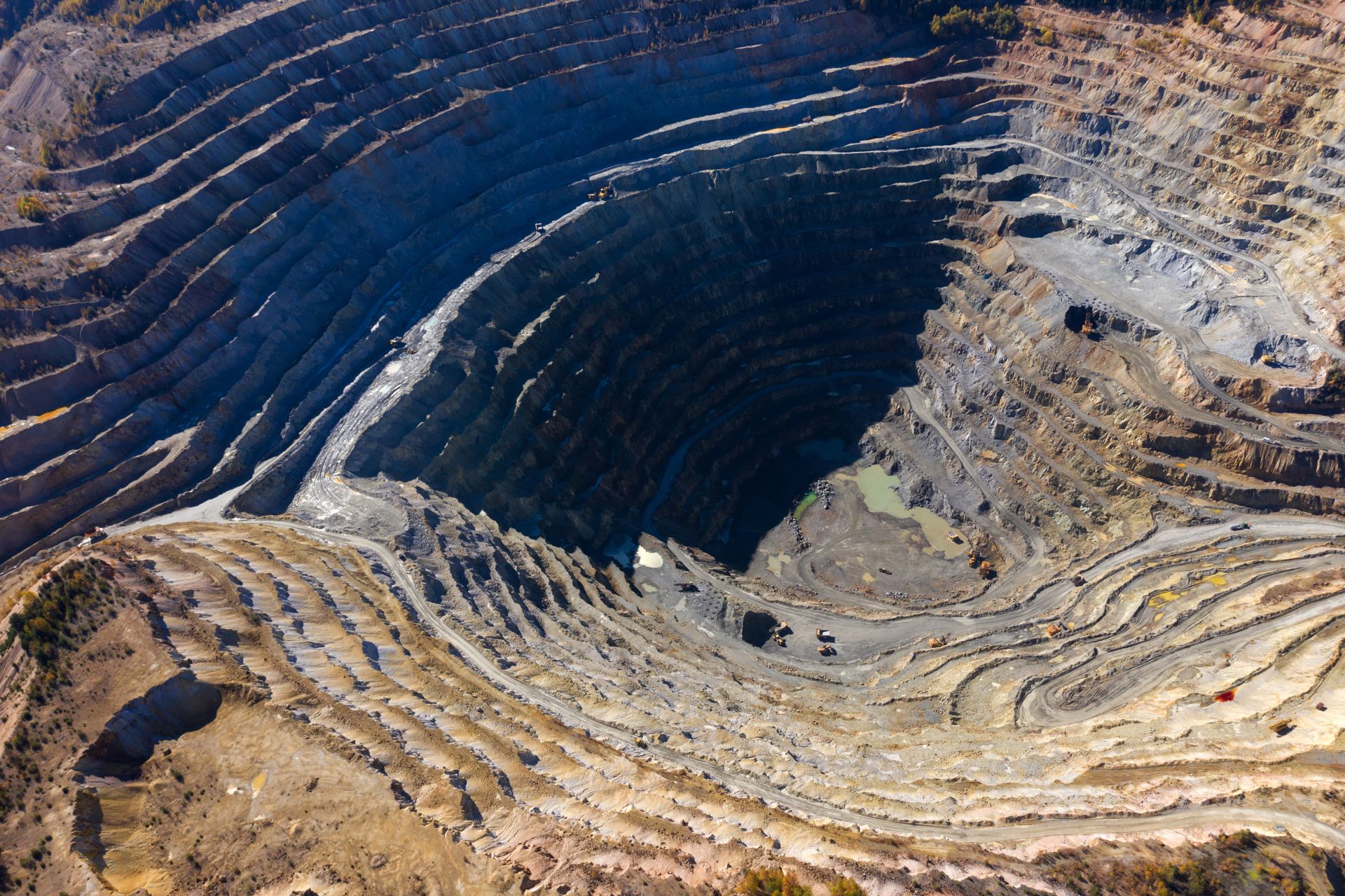
Before a new mine can start, or an existing mine can expand, it usually needs an environmental authorisation. In South Africa this is granted under the National Environmental Management Act (NEMA) and its EIA Regulations, alongside the mining right or permit applied for under the Mineral and Petroleum Resources Development Act (MPRDA).
For mining, the competent authority that decides on the environmental authorisation is the Department of Mineral and Petroleum Resources. Water uses, such as dewatering or storing polluted water, are licensed separately by the Department of Water and Sanitation.
Basic assessment or full scoping and EIR?
The EIA Regulations list activities in three listing notices. Which notice your project falls under decides the type of assessment:
- Basic Assessment: for smaller activities with more limited impacts, for example some prospecting work or small-scale operations.
- Scoping and Environmental Impact Reporting (S&EIR): for larger activities, including most mining rights. Scoping first identifies the issues and alternatives, then the EIR assesses them in detail.
As a rough guide, the regulations allow around 200 days from application to decision for a basic assessment, and around 300 days for an S&EIR. Time spent preparing studies before the application is lodged is extra, so starting early matters.
The specialist studies
A mining EIA is built on specialist studies. Depending on the site, these can include:
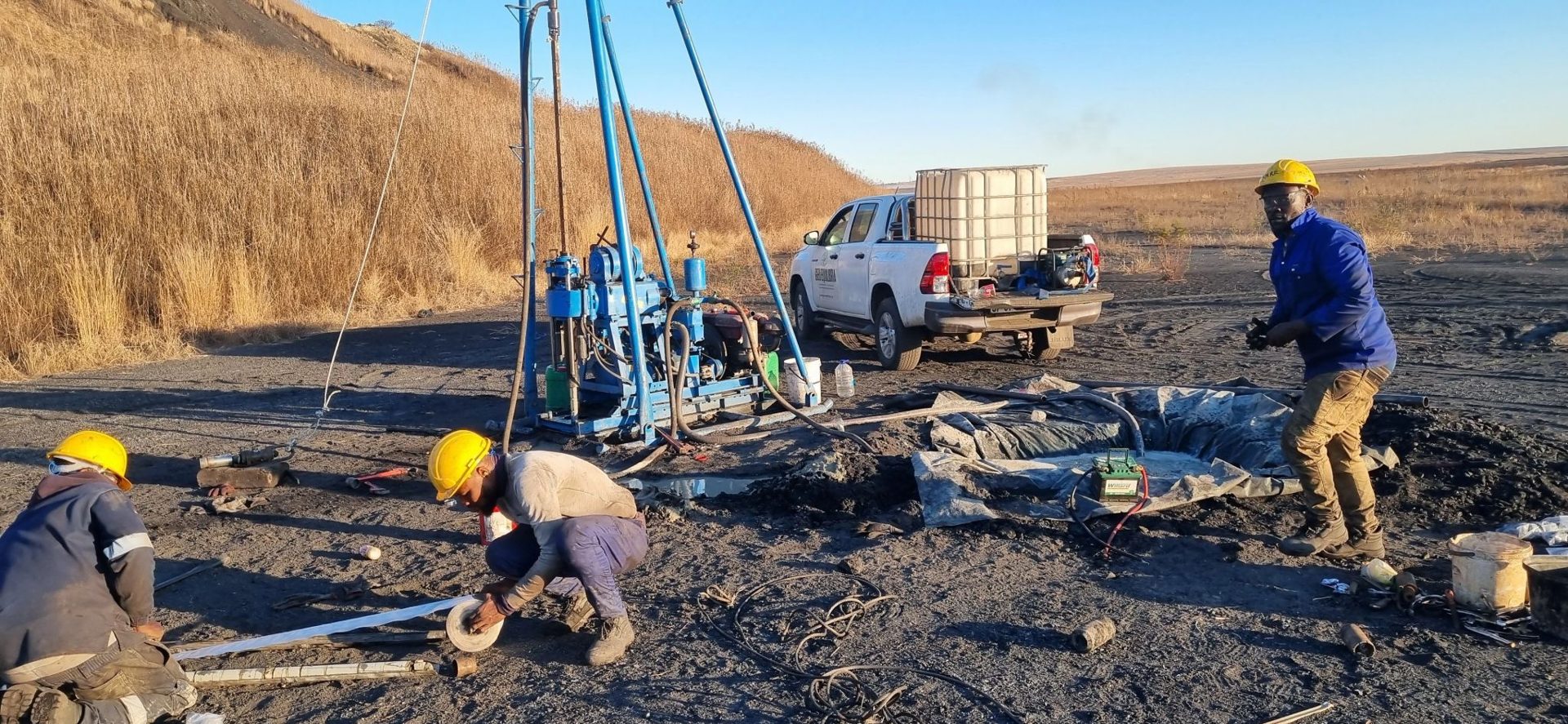
- Geohydrology (groundwater): hydrocensus, aquifer tests, groundwater modelling and the impact of dewatering and pollution.
- Surface water: flood lines, stormwater management and the effect on rivers and wetlands.
- Geotechnical studies for pits, waste rock dumps, tailings facilities and plant foundations.
- Ecology and biodiversity, wetlands, and heritage and palaeontology.
- Air quality, noise, visual, traffic and socio-economic studies.
- Closure planning and the financial provision for rehabilitation.
Public participation
Public participation is a legal requirement. Landowners, communities, traditional authorities and other interested and affected parties must be told about the project and given time to comment. Their concerns, and how the project responds to them, become part of the reports submitted to the authority.
Common reasons for delays
- Specialist studies that do not answer the authority's questions, or that were done too late.
- Weak public participation records.
- Environmental and water use applications that are not aligned with each other.
- Missing baseline data, such as groundwater levels and quality before mining.
Good groundwater and surface water data early on is the fastest way through a mining EIA.
How Geo Equilibria helps
We provide environmental impact assessments, environmental management programmes and the geohydrological, surface water and geotechnical specialist studies that mining applications depend on. We have supported mining authorisations for coal, diamonds and chrome in KwaZulu-Natal, the Free State and North West. Call 073 908 5240 or WhatsApp us to discuss your mining project.
Need help with your project?
Speak to our SACNASP-registered scientists about environmental services anywhere in South Africa.