The Environmental Impact Assessment (EIA) Process in Limpopo: A Simple Guide
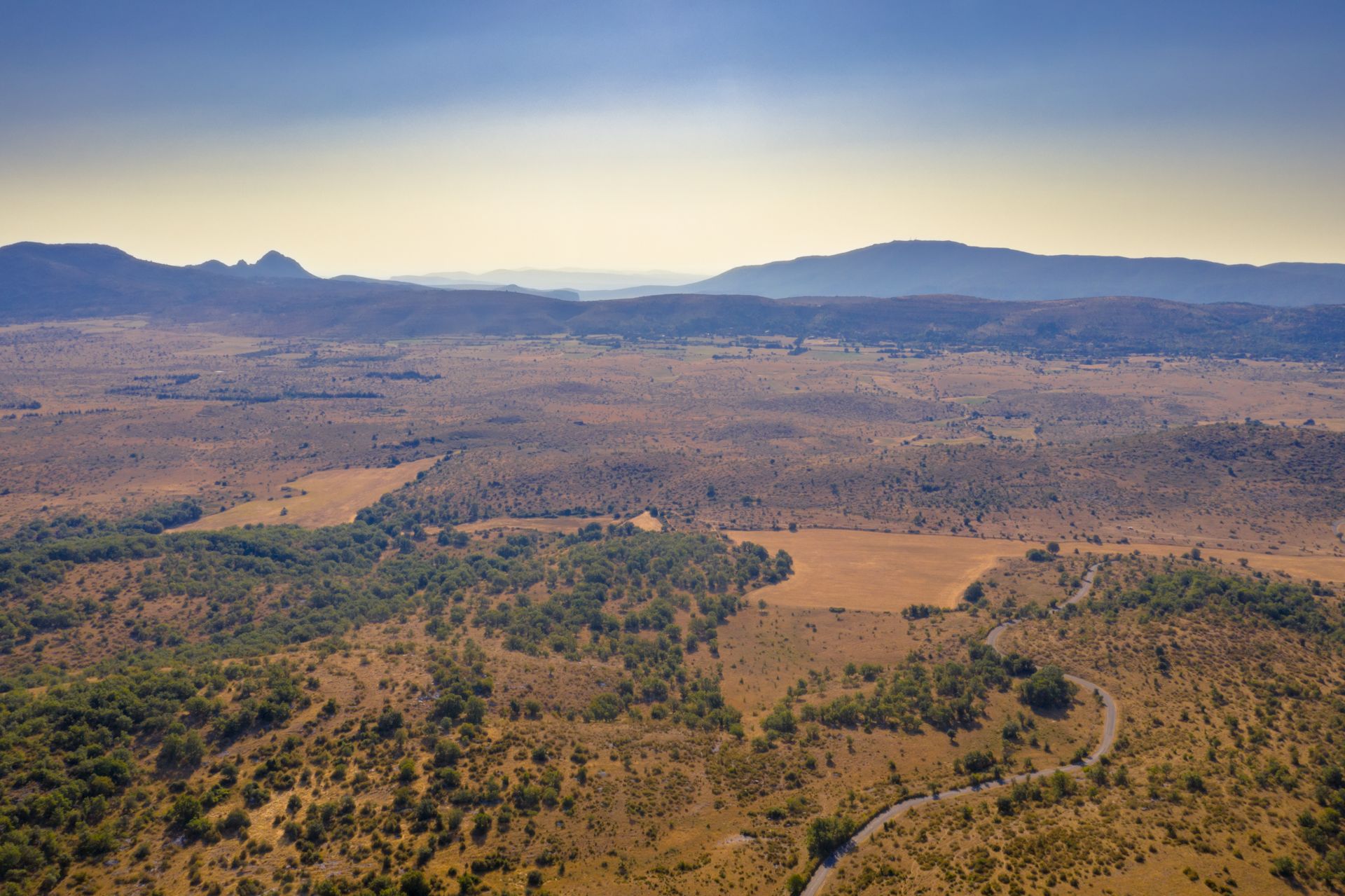
Limpopo is one of South Africa's richest provinces in minerals, farmland, heritage and biodiversity. That is why many developments here need an environmental authorisation before they can start. This guide explains the Environmental Impact Assessment (EIA) process in plain language.
The law behind the EIA
Environmental authorisations are governed by the National Environmental Management Act (NEMA) and the EIA Regulations of 2014 (as amended). Three Listing Notices set out which activities need authorisation. Listing Notices 1 and 3 generally trigger a Basic Assessment, while Listing Notice 2 activities, which usually have larger potential impacts, need a full Scoping and Environmental Impact Reporting (S&EIR) process.
Who decides?
The decision is made by a "competent authority". For most developments in Limpopo this is the provincial environmental department (LEDET). For mining and prospecting activities, applications go to the Department of Mineral and Petroleum Resources (DMPR). Some national projects are decided by the national environment department.

The main steps
- Screening: confirming which listed activities apply and what specialist studies are needed.
- Pre-application meeting with the competent authority, where useful.
- Specialist studies such as ecology, heritage, hydrology, geohydrology, soils and visual.
- Public participation: notifying and consulting landowners, communities and interested and affected parties.
- Draft report for public comment, then a final report submitted to the authority.
- Decision, followed by an appeal period.
- Implementation of the approved Environmental Management Programme (EMPr) during construction and operation.
Basic Assessment or full EIA?
A Basic Assessment is shorter and suited to activities with more predictable impacts. A full S&EIR has an additional scoping phase to agree on the issues and alternatives to be studied before the detailed impact assessment. Both have strict legal timeframes, so good planning from day one matters.
How to avoid delays
- Appoint your Environmental Assessment Practitioner (EAP) early, before designs are final.
- Get specialist studies started early, especially ones that depend on seasons, such as wet-season ecology surveys.
- Run meaningful public participation. Communities and traditional authorities in Limpopo expect to be engaged properly.
- Link the EIA with other permits you need, such as a water use licence or mining right, so information is consistent.
Responsible development is good business. A well-run EIA protects your project, your community and the environment.
How Geo Equilibria helps
Based in Thohoyandou and Polokwane, we understand Limpopo's landscapes, communities and regulators. We support clients with environmental licence applications, EIAs, Environmental Management Plans, mineral rights licensing and the geotechnical and geohydrological studies that often form part of the assessment.
Contact us on 073 908 5240 or info@geoequilibria.co.za to discuss your project.
Need help with your project?
Speak to our SACNASP-registered scientists about environmental services anywhere in South Africa.