Dolomite Stability Investigations: Protecting Your Development From Sinkholes
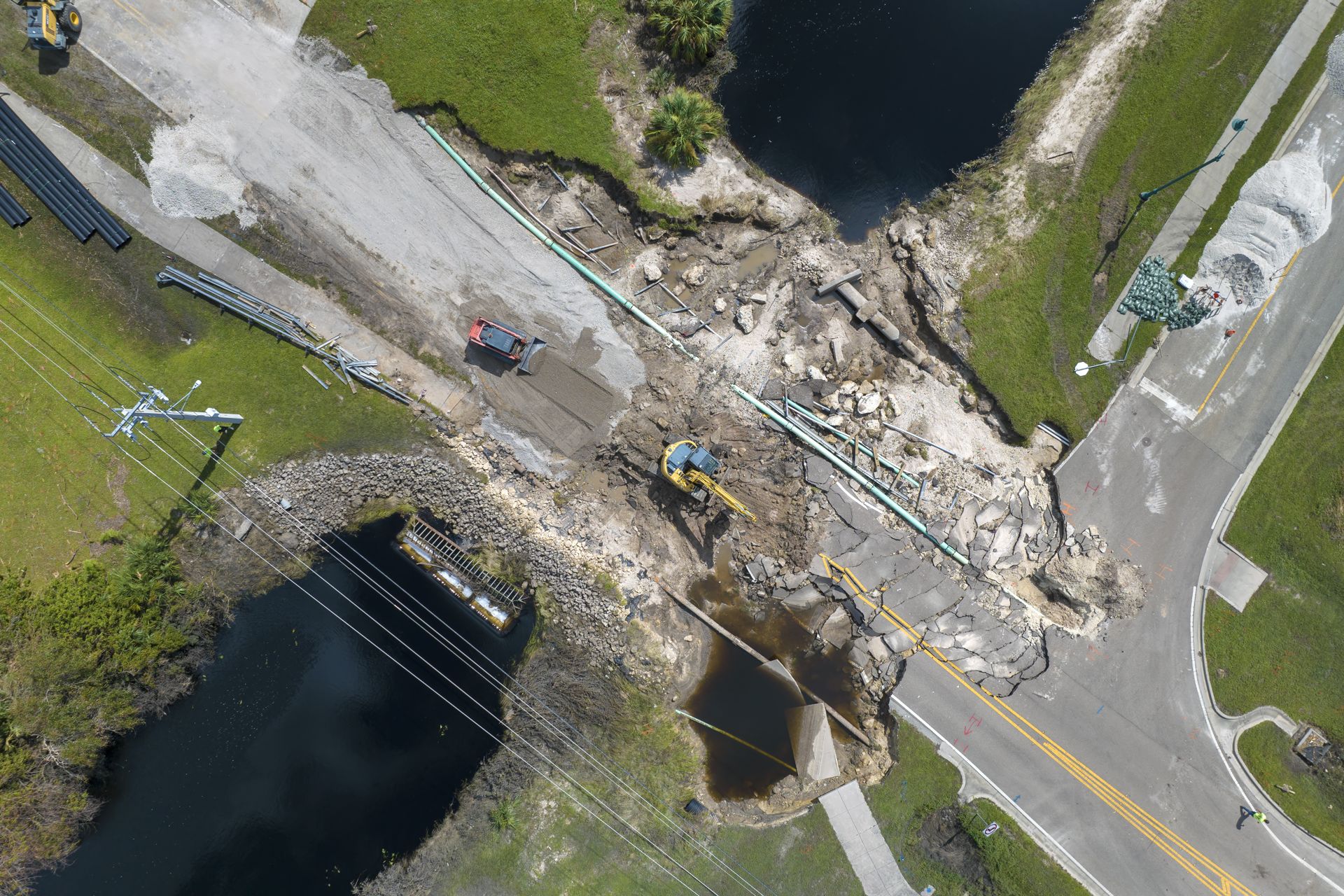
Sinkholes and ground subsidence are among the most serious geological hazards in South Africa. They are linked to dolomite, a rock that slowly dissolves in water and can leave hidden cavities below the surface. Areas around Centurion, parts of Tshwane, the West Rand and North West are well known dolomite regions, and there are dolomite zones in Limpopo and Mpumalanga too.
If your site is on dolomite land, a dolomite stability investigation is not optional. It is the only way to know whether development is safe and what precautions are needed.
Why dolomite causes sinkholes
Rainwater and groundwater are slightly acidic. Over thousands of years they dissolve dolomite and create voids. Soil above these voids can stay stable for a long time, then suddenly collapse when conditions change. The most common triggers are:
- Leaking water pipes, sewers and stormwater systems.
- Poor surface drainage that lets water pond on the site.
- Lowering of the groundwater level through pumping or dewatering.
- Heavy loads placed on weak ground.
What a dolomite stability investigation involves
South African dolomite work follows SANS 1936 (Development of dolomite land). A typical investigation includes:
- Desk study of geological maps, aerial photos and any history of sinkholes nearby.
- Gravity survey to identify areas with possible deep weathering or cavities.
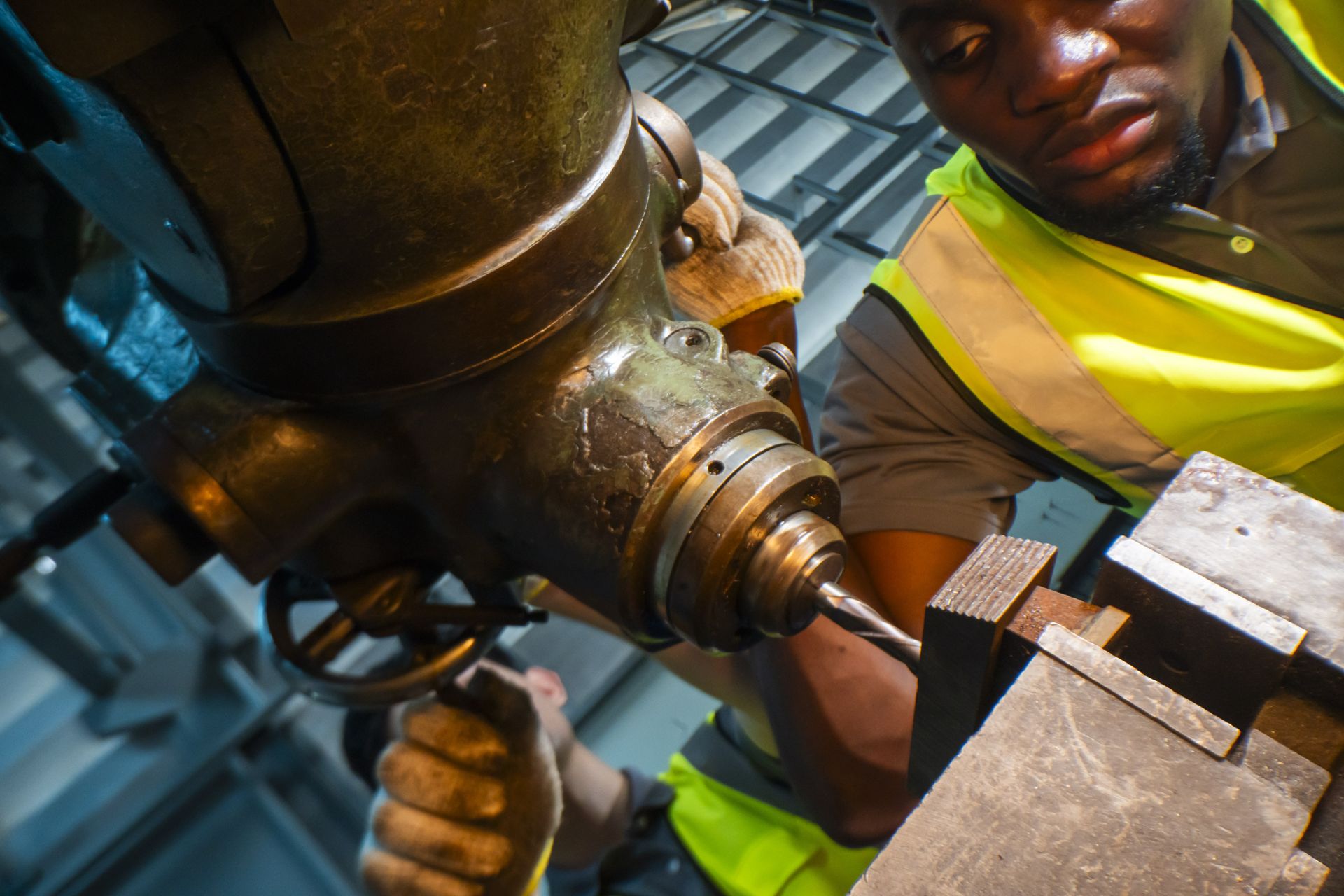
- Percussion boreholes drilled at selected points, with penetration rates, air loss and sample returns carefully logged.
- Groundwater level measurements.
- Hazard characterisation, where each zone of the site is assigned an Inherent Hazard Class based on the likelihood and size of sinkholes or subsidence.
- Recommendations on the dolomite area designation, suitable land uses and required precautionary measures.
What the results mean for your project
The investigation tells you which parts of your site can be developed, what type and density of development is appropriate, and what must be built into the design. Common precautionary measures include watertight services, flexible pipe connections, proper stormwater management and foundations designed for the hazard class. A dolomite risk management plan is often required for the life of the development.
Our experience
Geo Equilibria completed a dolomite stability investigation at Holding 85, Gerhardsville AH in the City of Tshwane for a proposed lodging development. Our geologists guided the client from the desk study through to final recommendations so the project could move forward with confidence.
On dolomite, water is the enemy. Good investigation and good water management keep people safe.
Talk to us before you buy or build
If you are buying land, planning a township or extending buildings in a dolomite area, contact us early. We will check whether your site falls on dolomite and recommend the right level of investigation.
Need help with your project?
Speak to our SACNASP-registered scientists about site investigation anywhere in South Africa.