How Much Does a Geotechnical Report Cost in South Africa?
"How much will the geotechnical report cost?" is usually the first question we get, and it is a fair one. A geotechnical investigation is often one of the first bills on a new project, long before anything is built. The honest answer is that it depends on your site and what the report must be used for. The good news is that the cost follows a handful of clear factors, so you can understand a quote and compare like with like.
What you are paying for
A geotechnical report is not just a document. It is the result of field work, laboratory testing and engineering interpretation. A typical investigation includes:
- A desk study of geological maps, aerial photos and any earlier reports for the area.
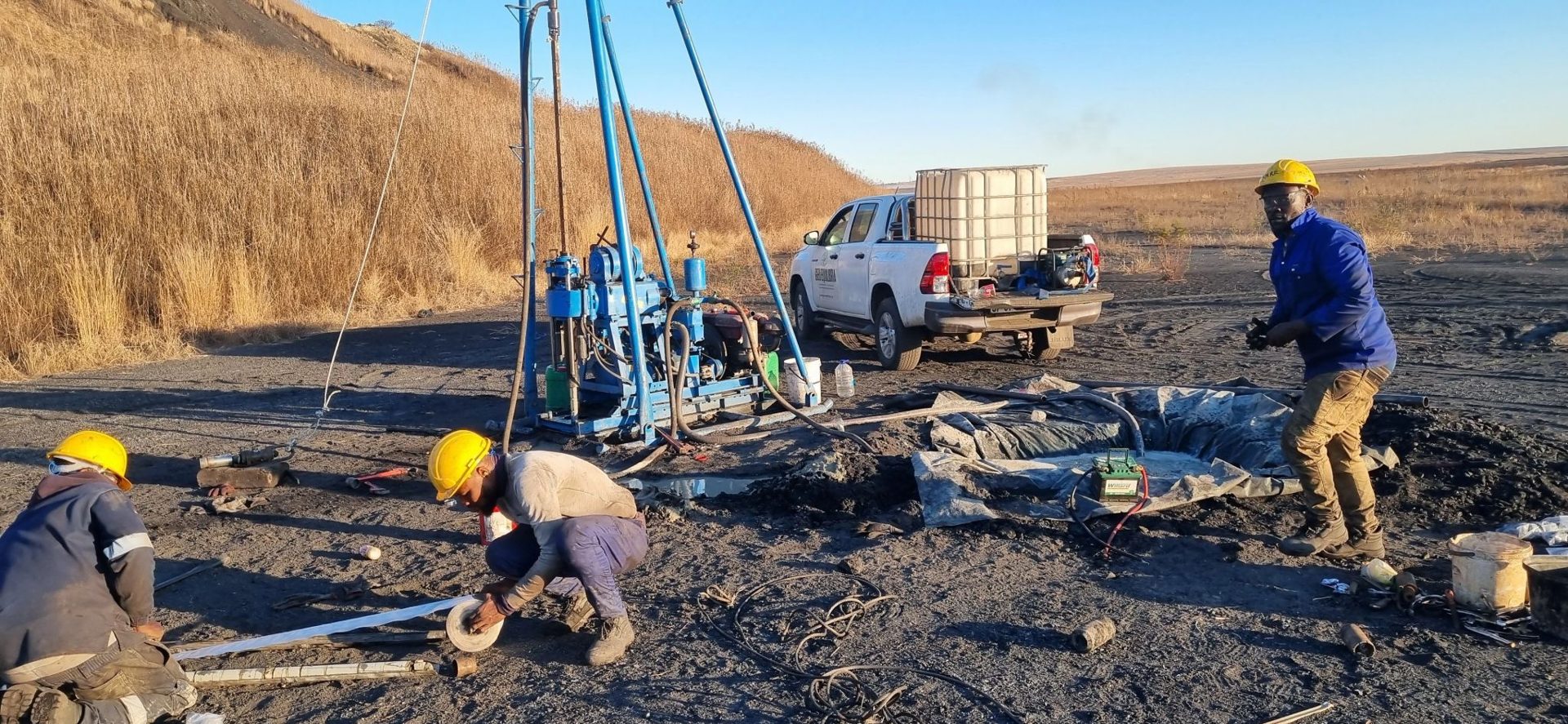
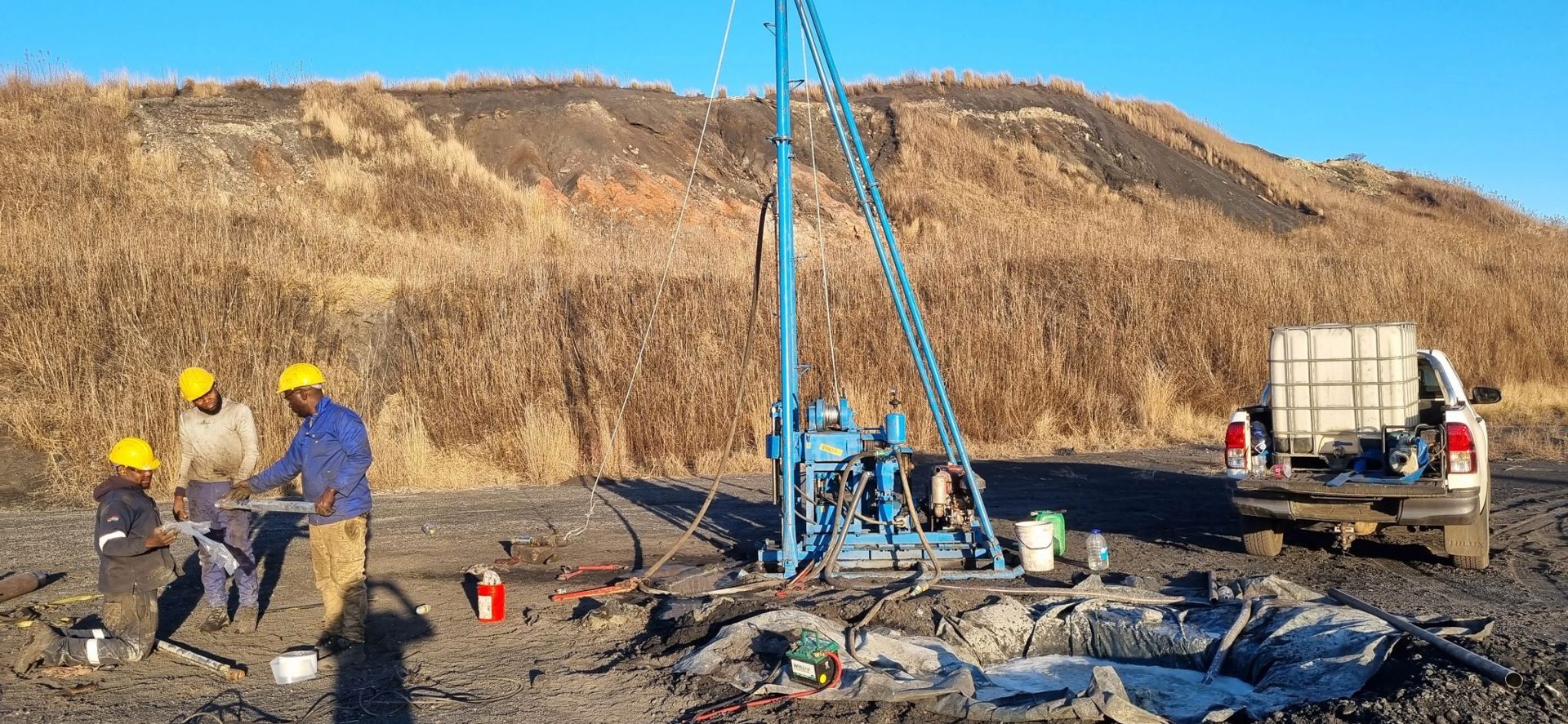
- Field work: test pits dug with a TLB, and where needed drilling, DPL or DCP probing and groundwater checks.
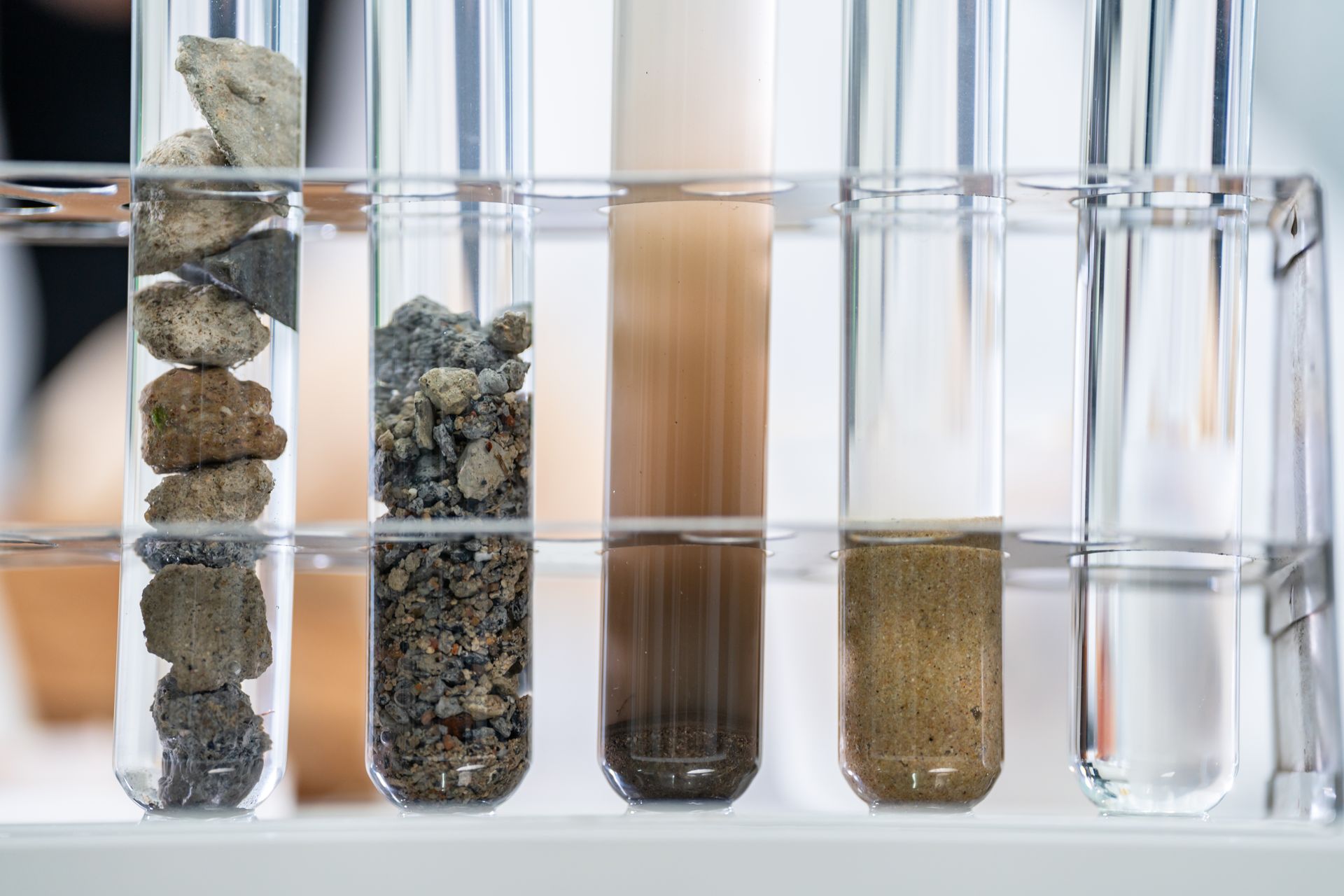
- Laboratory testing of soil samples, such as foundation indicators, grading and compaction tests.
- A report written and signed by a qualified engineering geologist or geotechnical engineer, with site classes and foundation recommendations.
The main things that change the price
- Size of the site. A single residential stand needs a few test pits. A township of hundreds of stands needs a grid of test pits across the whole area.
- Type of structure. A single-storey house needs far less work than a multi-storey building, a reservoir, a bridge or a mine tailings facility.
- Ground conditions. Shallow rock, a high water table or suspected dolomite usually means drilling instead of only test pits, which costs more.
- What the report is for. NHBRC enrolment, SANS 634 township reports, municipal approvals and bank or funder requirements each ask for a different level of detail.
- Laboratory tests. The number and type of tests is set by the site and the design, and is a real part of the cost.
- Distance and access. Travel, site access and plant hire all count, especially on remote rural or mining sites.
Why the cheapest report can cost the most
It is tempting to choose the lowest quote. But a report with too few test positions, or with no laboratory testing, can miss expansive clay, collapsible sand or a shallow water table. That gets found later, during construction, when fixing it means redesigning foundations, adding extra concrete or dealing with cracked walls. In most projects the geotechnical investigation is a very small part of the total build cost, while the savings it brings in foundation design are often many times larger.
A report that a municipality, the NHBRC or a funder rejects also costs you twice: you pay for a second investigation and lose weeks on your programme.
How to get a quick, accurate quote
Send us these details and we can usually come back with a clear quote within a day or two:
- The location of the site, ideally a pin or the erf or farm number.
- The size of the site and what you plan to build.
- Who needs the report: NHBRC, municipality, engineer, bank or mine.
- Any earlier reports, layouts or drawings you already have.
- Your deadline.
A good geotechnical report pays for itself in the foundations you do not over-design or have to repair.
Get a quote from Geo Equilibria
Geo Equilibria carries out geotechnical investigations for homes, townships, commercial buildings and mines anywhere in South Africa. Call 073 908 5240, WhatsApp us, or send the details above through our contact form and we will quote you quickly.
Need help with your project?
Speak to our SACNASP-registered scientists about site investigation anywhere in South Africa.