Why You Need a Geotechnical Investigation Before You Build in South Africa
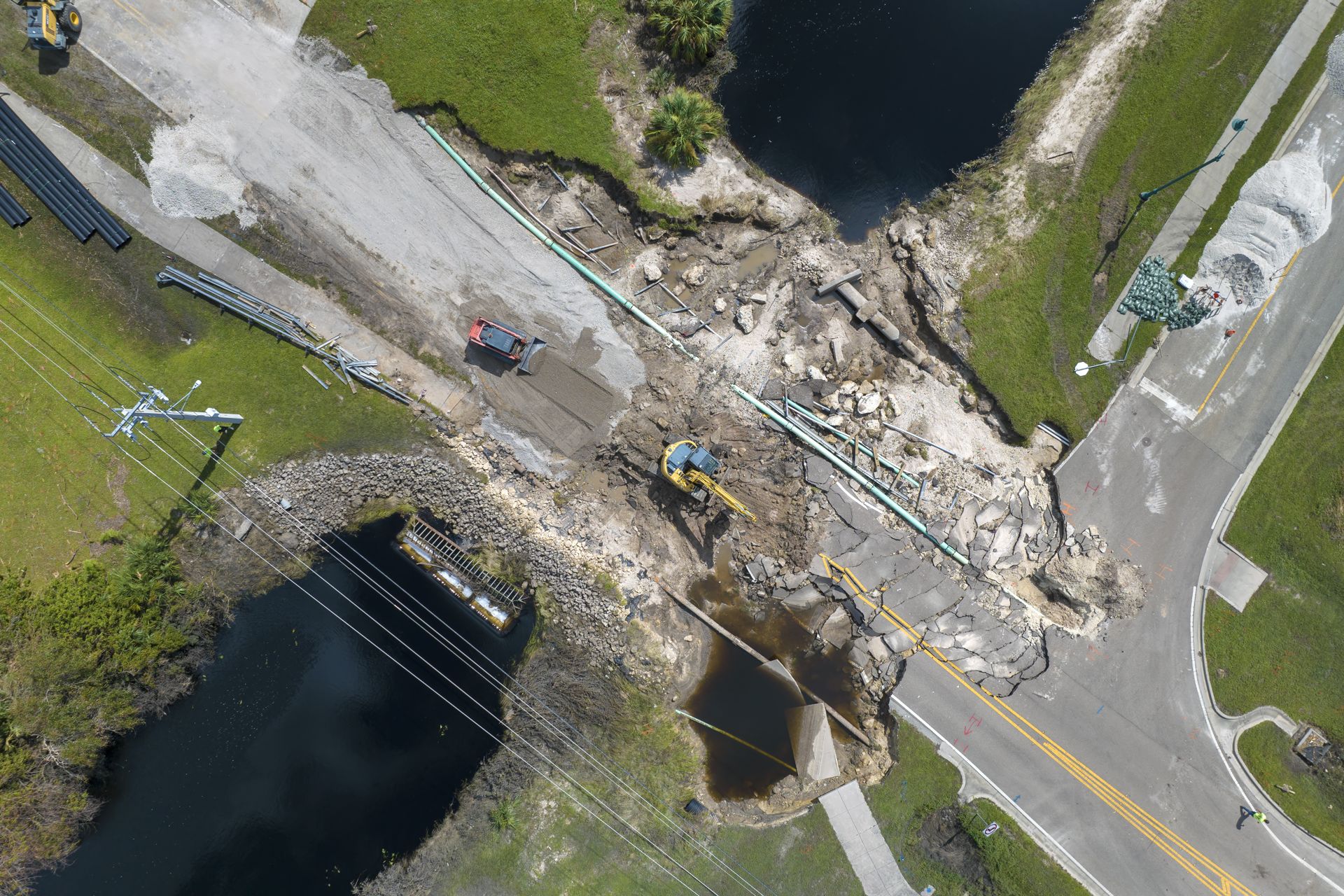
Every building in South Africa sits on something: clay that swells in summer rain, sand that collapses when wet, shallow rock, a high water table, or dolomite that can form sinkholes. A geotechnical investigation tells you exactly what that "something" is before you spend money on foundations, roads and services.
At Geo Equilibria we carry out geotechnical investigations for developers, municipalities, mines and private owners across Limpopo, Gauteng, KwaZulu-Natal, the Northern Cape, Free State and North West. This guide explains what the work involves and why it pays for itself.
What is a geotechnical investigation?
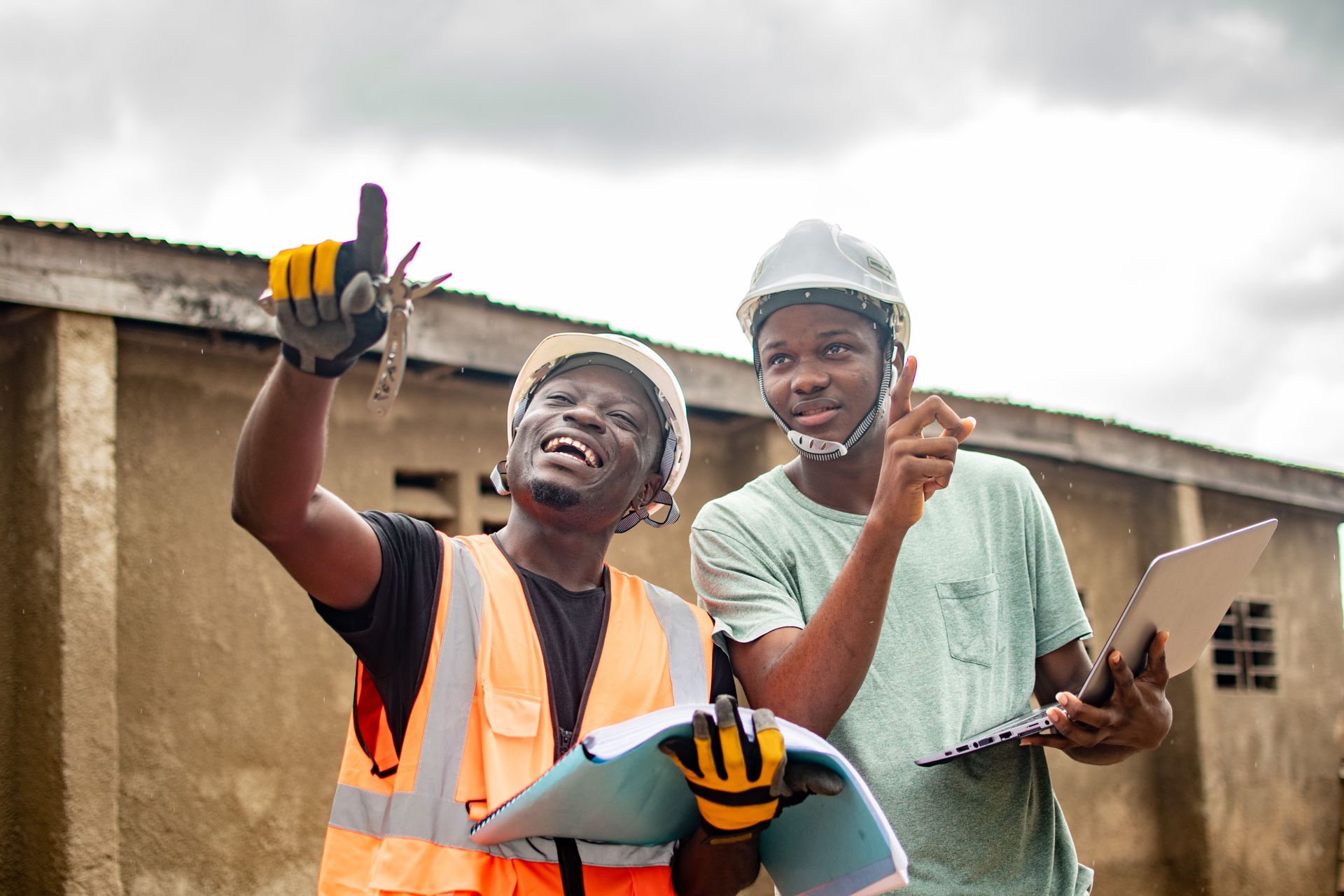
A geotechnical investigation is a study of the soil, rock and groundwater conditions on a site. A qualified engineering geologist or geotechnical engineer visits the site, digs or drills to see what is below the surface, takes samples for laboratory testing, and then writes a report with clear recommendations for design and construction.
The goal is simple: to make sure what you build is designed for the ground it stands on.
When is it required?
In South Africa a geotechnical investigation is usually needed, or strongly recommended, for:
- New houses and housing developments, where the NHBRC expects the site to be classified before foundations are designed.
- Township establishment and subdivisions, where municipalities typically ask for a geotechnical report aligned with SANS 634 before approving layouts.
- Commercial buildings such as shopping complexes, filling stations and office blocks.
- Mining right applications and mine infrastructure.
- Any site on or near dolomite, which needs a dedicated dolomite stability investigation.
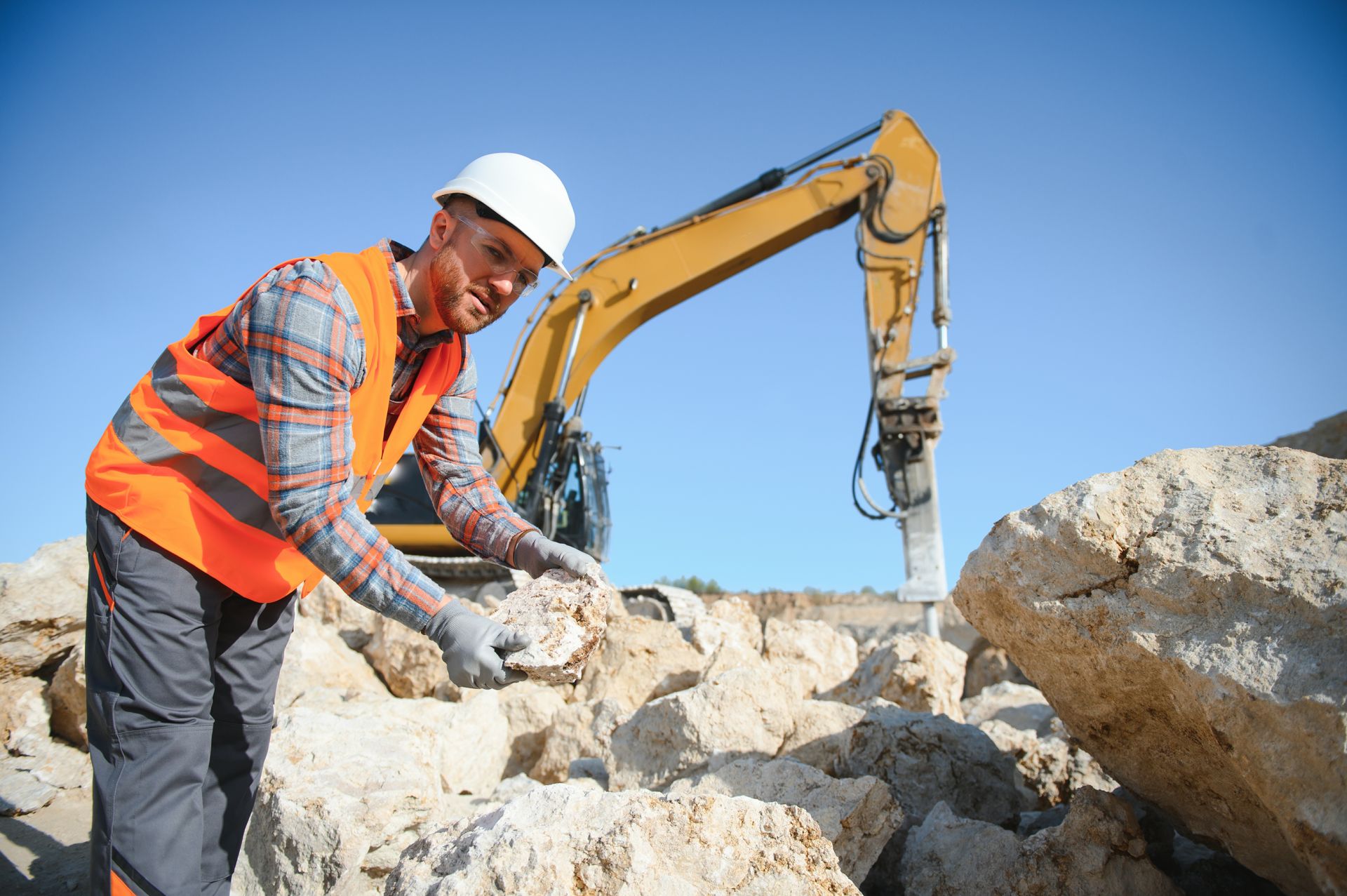
What does the investigation include?
Every site is different, but a typical Geo Equilibria geotechnical investigation includes:
- Desk study: geological maps, aerial photos and previous reports for the area.
- Test pits: excavated with a TLB so our geologists can log each soil layer.
- Boreholes or DPL / DCP tests where deeper information or bearing capacities are needed.
- Sampling and laboratory testing for grading, Atterberg limits, moisture content, compaction and swell or collapse potential.
- Groundwater observations, including seepage and perched water.
- A clear report with site classification, foundation recommendations, excavatability, slope stability notes and material suitability.
Understanding site classes
South African practice groups sites by the main ground problem. You will often see letters such as C (collapsible soils), H (expansive or heaving clays), S (compressible soils) and R (rock). The class, together with the expected movement, guides the foundation type your engineer or builder uses. Getting this wrong is one of the most common causes of cracked walls and costly repairs in new homes.
How it saves you money
A geotechnical report costs a small fraction of a project budget, yet it protects the whole investment. With the right information you can:
- Avoid over-designed foundations that waste concrete and steel.
- Avoid under-designed foundations that crack and need expensive repairs.
- Budget accurately for rock excavation, imported fill or dewatering.
- Get approvals from municipalities, the NHBRC and funders without delays.
Before you build, understand your site. It is always cheaper to investigate than to repair.
Real project examples
Our recent geotechnical work includes a proposed shopping complex at Makhuvha Village in Thulamela, a filling station in Giyani, township establishment in Galeshewe outside Kimberley, and bearing capacity confirmation in Midrand. You can see the full list on our projects page.
Get started
If you are planning a development anywhere in South Africa, talk to us early, ideally before your layout and designs are final. Call 073 908 5240 or send us your site details and we will recommend the right scope of investigation and give you a clear quote.
Need help with your project?
Speak to our SACNASP-registered scientists about site investigation anywhere in South Africa.